October's Must-See Architecture and Design Festivals Across Three Continents
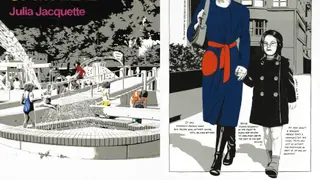
Cities worldwide are hosting major architecture and design events this October that explore urban planning, public spaces, and community living through exhibitions, talks, and installations. New York's 16th annual Archtober festival features tours of modernist playgrounds, historical lectures on New Deal infrastructure, and screenings at the Architecture and Design Film Festival. The month's programming reflects how designers and architects from different regions are tackling shared global challenges through locally-grounded perspectives.
October's global design calendar demonstrates how major cities are using architecture and design festivals to examine contemporary urban challenges. Events span three continents, from New York's month-long Archtober celebration to specialized exhibitions in Portugal and Italy, each drawing on regional contexts while addressing shared themes about public spaces and community infrastructure. The programming includes historical perspectives on how past investments shaped cities, alongside contemporary artistic interpretations of design heritage.
These festivals typically combine multiple formats—guided tours of significant buildings, academic lectures, film screenings, and immersive installations—to engage diverse audiences. The approach reflects a broader curatorial philosophy that architecture and design are not isolated disciplines but integral to how people experience daily life and envision future urban environments.
These festivals may influence how urban planners, architects, and policymakers approach future projects by exposing them to diverse global methodologies and historical lessons. For general audiences, such events could increase public engagement with the built environment and foster more informed conversations about urban development. However, the accessibility of these events—particularly international travel to attend symposiums or specialized exhibitions—may limit participation primarily to those with geographic proximity or financial resources, potentially narrowing whose perspectives shape design discourse.