Ukrainian drone strikes inflict record casualties against Russian forces
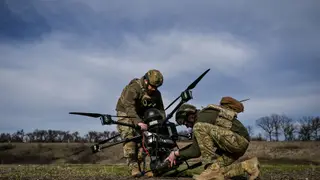
The commander of Ukraine's Unmanned Systems Forces reported that between October 1 and 5, drone operations killed or wounded 2,699 Russian troops, representing a 39.7% increase compared to the same period in September and a 76.5% increase versus early August. The most significant surge occurred in the Dobropillia-Pokrovsk sector where drone casualties doubled compared to early August. Ukraine has increasingly relied on drone warfare, with military analysts estimating that unmanned systems now account for 70 to 80 percent of Russian casualties.
Ukraine's drone operations have become a dominant force on the battlefield, with unmanned systems responsible for the majority of Russian troop losses throughout 2026. The Dobropillia-Pokrovsk sector has emerged as a particularly lethal zone for Russian forces, where drone casualties have nearly doubled within an eight-week period. These figures represent only losses attributed to dedicated unmanned systems units and exclude casualties inflicted by other Ukrainian military branches, suggesting the full scale of drone warfare's impact may be even larger.
Russia continues to sustain personnel losses at historically high rates, with September 2026 marking the deadliest month of the year according to Ukrainian military assessments. Rather than conducting a formal nationwide mobilization, the Kremlin has implemented indirect recruitment methods including financial incentives, quota systems, and conscription of foreign nationals. Intelligence assessments indicate Moscow has prepared contingency plans to mobilize up to 600,000 additional personnel over the next two years if current casualty rates persist.
The escalating casualty figures may influence military strategy and morale on both sides—Ukrainian forces could gain tactical advantages from demonstrated drone effectiveness, while Russian commanders may face operational constraints from personnel shortages. Civilian populations in contested regions could experience prolonged conflict if casualty rates don't alter Moscow's strategic calculus. International observers and NATO allies may reassess the trajectory and sustainability of the conflict based on these casualty trends and Russia's response mechanisms.