Britain Redesigns Next-Generation Fusion Reactor for Improved Performance
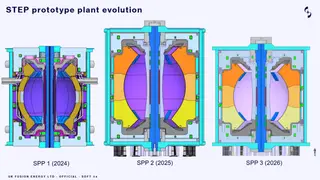
The UK has progressed in developing the STEP fusion plant, a next-generation reactor aimed at enhancing energy efficiency. The design advances represent a significant step toward making fusion power more practical and viable for commercial energy production. These improvements address longstanding challenges that have historically limited fusion technology's commercial viability.
The United Kingdom is advancing its STEP fusion initiative, a reactor project designed to push past performance limitations that have traditionally constrained fusion energy's transition from laboratory success to real-world deployment. By refining the reactor's architecture, researchers are targeting improvements in how efficiently the system converts energy, making the technology increasingly suitable for eventual commercial application in electricity generation.
Fusion technology has long promised abundant clean energy but faces substantial engineering hurdles in translating theoretical breakthroughs into functioning power plants. This redesign effort reflects the international scientific community's broader push to overcome the technical and economic barriers that have delayed fusion's commercialization for decades.
If successful, improved fusion reactor designs could reshape global energy infrastructure by offering a low-carbon power source with minimal waste concerns. Such advances may influence energy policy decisions, investment flows toward alternative energy, and timelines for transitioning away from fossil fuels. The benefits could extend to countries seeking energy independence and reduced climate impact, though commercialization remains years away and faces ongoing technical and financial uncertainties.