Australia Advances Sovereign Munitions Production Despite Supply Chain Concerns
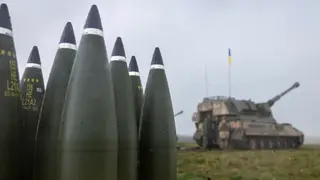
Australia's Guided Weapons and Explosive Ordnance program has achieved several production milestones including domestic manufacturing of guided missiles and recent successful test firings, supported by international partners and domestic suppliers. The program faces ongoing challenges including heavy reliance on American manufacturers already struggling to meet global demand and potential workforce shortages in Australia's defense sector. Policy experts recommend the government diversify sourcing to include weapons from South Korea, Britain, and Germany while proactively addressing labor market gaps.
Australia's munitions manufacturing initiative represents a substantial financial commitment, with planned expenditures between $18 and $25 billion through its defense strategy period. The program has already moved beyond conceptual stages, securing agreements with multiple international defense contractors and achieving successful test deployments of domestically-produced systems. Current manufacturing partnerships span Norwegian, French, and American companies alongside domestic industrial participants.
A critical vulnerability identified by policy analysts involves the concentration of production around American-origin weapons at a time when U.S. manufacturers face capacity constraints from competing global demand. This dependency risk has prompted official recommendations to expand partnerships with alternative advanced economies, particularly South Korea, Britain, and Germany, which possess comparable technological capabilities and manufacturing experience.
The program's success may significantly affect Australia's strategic autonomy and regional influence by reducing supply chain vulnerabilities during potential conflicts. However, realizing these benefits depends heavily on resolving labor market challenges that analysts suggest have received insufficient planning attention. How effectively federal and state governments coordinate workforce development and facility placement could determine whether Australia achieves genuine self-sufficiency or merely substitutes one set of external dependencies for another, potentially affecting costs, timelines, and operational readiness.