Trump Questions Iran's Leadership Structure Amid Eight-Month Conflict
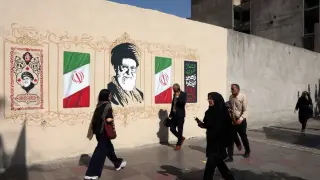
President Trump stated uncertainty about who currently leads Iran during the ongoing US-Israeli military campaign, noting that senior leadership has been eliminated. Iran's foreign ministry rejected this claim, asserting that Washington fully understands Iran's decision-making system and leadership structure. The conflict, which began in February after Supreme Leader Ali Khamenei's assassination, has created political vulnerabilities for Trump ahead of midterm elections due to rising fuel prices.
The conflict escalated dramatically when Iran's top decision-maker was killed in late February, triggering a succession to his son. However, the new leader has remained out of public view following injuries sustained during the attack, raising questions about operational continuity within Iran's government. Meanwhile, the broader military campaign has had severe humanitarian consequences, with casualties and displacement affecting large populations across the region.
The economic fallout extends beyond the Middle East. Crude oil market volatility tied to regional instability has driven up energy costs globally, creating domestic pressure on the US administration. Trump faces mounting political challenges as fuel prices remain elevated, potentially influencing voter sentiment heading into midterm congressional races where his party seeks to maintain legislative power.
The dispute over Iran's leadership clarity could affect diplomatic resolution efforts, as uncertainty about decision-making authority may complicate negotiations. Rising energy costs could shape domestic political outcomes in the US, potentially shifting congressional representation and thereby influencing future foreign policy decisions. The humanitarian toll of sustained conflict may also strain international relations and humanitarian institutions, while prolonged regional instability could disrupt global economic stability and security arrangements.