SpaceX Reschedules SDA Satellite Mission for October 8 Following Scrubbed Launch Attempt
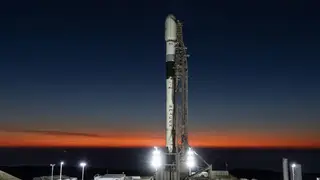
SpaceX has rescheduled the launch of the Space Development Agency's fourth Tranche 1 data transport mission to October 8 after Monday's attempt was aborted 58 seconds before liftoff. The mission is part of the Proliferated Warfighter Space Architecture program, which aims to deploy a network of satellites in low Earth orbit to provide global military communications and missile tracking capabilities. This represents the fourth of nine planned Tranche 1 missions by the SDA to enhance U.S. military space operations.
The Space Development Agency, established in 2019 under the Department of Defense, is executing an ambitious plan to deploy military satellite networks in low Earth orbit. The Proliferated Warfighter Space Architecture represents a shift toward constellation-based systems rather than individual satellites, with the current Tranche 1 phase involving 21 data transport satellites positioned across different orbital paths. This approach is designed to provide resilient, distributed capabilities for real-time military communications and threat detection across global operations.
SpaceX's involvement in this initiative demonstrates the growing reliance on commercial launch providers for national security missions. The booster scheduled for Thursday's launch will complete its sixth flight, reflecting the reusable rocket economy now supporting military space operations. Recovery of the first stage at Vandenberg following deployment further extends the operational life of expensive aerospace hardware while reducing long-term program costs.
This mission's successful completion could strengthen U.S. military space capabilities during a period of rising geopolitical competition, particularly regarding cislunar and orbital operations. The satellite constellation may provide tactical advantages in conflict scenarios through enhanced tracking and communications. However, the program's expansion could also potentially influence arms control discussions and space security policies as other nations assess their own space-based defense requirements. The public impact remains indirect, though coastal communities may experience minor disruptions from launch operations.