Titanium Food Containers Challenge Plastic Storage with Microwave-Safe Design
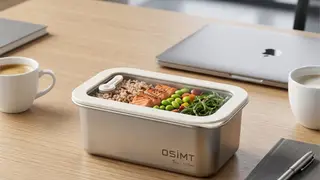
Hong Kong-based OSIMT has engineered titanium lunch boxes that safely operate in microwaves by eliminating sharp corners and seams that typically cause sparking in metal containers. The three-piece nesting system features rounded R20+ radius edges and seamless flared rims, allowing the titanium base to function like conventional silicone or plastic containers while offering superior durability and versatility across ovens, freezers, and dishwashers. Priced from $49 and backed by a lifetime warranty, the containers represent a significant step forward for durable food storage alternatives.
OSIMT's breakthrough relies on eliminating the physical features that cause microwave arcing. Traditional metal containers spark because their sharp edges and recessed seams create concentrated electrical fields. By engineering continuous curved surfaces and a seamless flared rim, the containers prevent energy buildup that would otherwise discharge as visible sparks.
The material choice also matters significantly. Grade 1 titanium's purity and ductility allow for deep-drawn seamless construction while remaining lighter than comparable stainless steel alternatives. At 0.5 mm thickness, these containers weigh approximately half of stainless equivalents, yet the internal ribbed design provides necessary structural rigidity without additional bulk.
This development may reshape consumer expectations around food storage durability and versatility. Households currently juggling multiple container types for different purposes could consolidate to a single material, potentially reducing plastic consumption over time. The lifetime warranty and premium pricing suggest a premium market positioning rather than mass replacement of disposable containers, meaning adoption may remain concentrated among consumers prioritizing sustainability and longevity over initial cost savings. Broader environmental impact depends on manufacturing scale and whether titanium production can sustain such applications competitively.