Russian lab worker's death from plague raises international health concerns
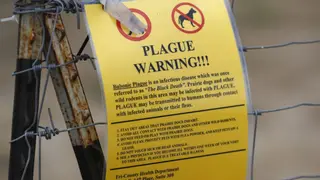
A laboratory technician at a Russian research institute died after contracting pneumonia of unknown origin while working with plague bacteria, triggering international alarm bells about biosafety protocols. Russian authorities have downplayed the incident and denied reports the worker contracted plague, though the World Health Organization requested information to assess potential risks. The incident has revived concerns about laboratory safety standards reminiscent of questions surrounding COVID-19's origins.
The incident centers on a laboratory technician at a Russian research facility in Siberia who died following hospitalization. Though Russian officials attributed the death to pneumonia without identified cause and stated no work-related pathogens were found, reports suggest the worker may have accidentally broken a container of live bacteria. The WHO requested details to evaluate potential health threats, while approximately 200 people who had contact with the deceased remain under medical supervision with regular testing.
Pneumonic plague develops when the bubonic form progresses untreated, occurring when the bacterium reaches the lungs and becomes transmissible through respiratory contact. Modern antibiotics typically treat plague infections effectively, though severe cases can develop into sepsis. The primary epidemiological concern involves the rapid incubation period—potentially under 24 hours—and the infection's ability to spread between individuals once it becomes pneumonic.
This incident may heighten international scrutiny of biosafety standards at research facilities globally, particularly those studying dangerous pathogens. The situation could influence diplomatic discussions about laboratory oversight and transparency protocols between Russia and Western nations. Public perception of pandemic risk and laboratory safety may be affected, potentially impacting confidence in institutional safeguards. The case could serve as a catalyst for reviewing international biosafety coordination mechanisms, though current infection risk to broader populations appears limited based on available evidence.