Restored Eichler Home Balances Modernist Architecture With Warm, Nature-Inspired Interiors
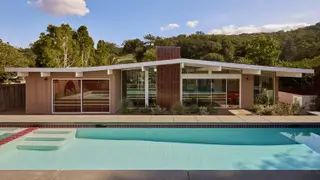
Award-winning design firms Geremia Design and Terremotto collaborated with Marsden Architecture to restore a postwar glass-walled Joseph Eichler home in Marin County for a family of four. The renovation thoughtfully preserved the home's midcentury character while introducing a soft color palette anchored by a distinctive terrazzo floor and natural materials like volcanic-ash tile and walnut furnishings. The project demonstrates how careful restoration can honor architectural heritage while creating a contemporary family living space.
The homeowners' journey reflects a broader migration pattern among affluent Bay Area professionals seeking more space and community connection. Their initial 2011 purchase and renovation preceded a departure to Seattle in 2019 for work, during which they maintained the property as a rental—a common strategy among high-net-worth households managing multiple real estate holdings. The recent return and comprehensive redesign signals shifting priorities toward lifestyle and place-based belonging over career mobility.
The professional team assembled represents the high end of the residential design market, with multiple AD100-listed firms collaborating on a single-family project. Their focus on material authenticity—salvaged beams, volcanic-ash tile, vintage furnishings—alongside structural upgrades reflects current luxury design preferences that emphasize sustainable restoration and craftsmanship over replacement, a positioning that appeals to environmentally conscious affluent demographics.
This project may influence homeowner expectations around midcentury modern preservation, potentially increasing demand for specialized architects familiar with postwar construction methods. The story could encourage similar communities to view aging housing stock as design assets rather than liabilities, supporting property values in aging suburban neighborhoods. However, such high-end restoration remains accessible primarily to wealthy households, potentially accelerating gentrification patterns in established midcentury developments and pricing out families with modest incomes from historically affordable neighborhoods.