Trump Halts Use of Taxpayer Funds for Campaign Ads After Bipartisan Criticism
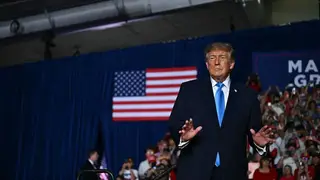
President Trump announced he would cease using federal taxpayer dollars to finance television advertisements promoting himself and administration policies after facing significant backlash from lawmakers in both parties. The administration had previously diverted approximately $20 million from Department of Homeland Security appropriations to fund the advertisements, which were branded as government-funded spots but aired during major sports events. Trump stated he would now rely on funding from his MAGA Inc. super PAC to cover the advertising costs instead.
The administration had redirected $20 million allocated to the Department of Homeland Security through a reconciliation bill toward a category labeled "commemorative events," subsequently using those funds for the advertisements. The spots, which carried disclaimers indicating government funding, appeared during major televised sports programming including college and professional football broadcasts. One advertisement featured commentary from a sports entertainment executive and messaging about preventing communism, while another drew similarities to campaign materials previously used in electoral contests.
Democratic lawmakers challenged the practice as violating existing prohibitions on using appropriated funds for promotional purposes. Senator Murray and her colleagues introduced legislation proposing budgetary reductions tied to any future misuse of taxpayer money for publicity. The reversal came after the administration faced coordinated criticism from multiple congressional offices across party lines regarding the appropriateness of the spending mechanism.
This reversal could affect how future administrations approach the boundaries between government communications and campaign promotion, potentially influencing oversight mechanisms Congress employs. The episode may strengthen arguments for clearer appropriations language and enforcement mechanisms surrounding federal advertising spending. For taxpayers, the shift transfers costs to private political funding sources rather than public budgets, though questions may persist about how agencies classify different types of communications and whether similar practices could recur under different administrative frameworks.