Court Filings Reveal ExxonMobil's Decades-Long Climate Awareness and Strategic Response
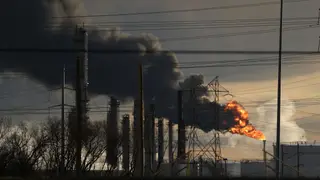
Newly released court documents in Massachusetts's lawsuit against ExxonMobil include internal memos from the 1980s showing the company understood climate risks and anticipated industry impacts from potential climate action. The filings contain statements from Exxon scientists questioning the company's public claims about its carbon capture and biofuel initiatives. These documents add to a growing body of evidence about the oil giant's internal knowledge of climate change and its business implications.
The Massachusetts lawsuit, initiated in 2019, represents one of multiple legal actions seeking to establish corporate accountability for climate damages. The newly surfaced documents span decades of internal company communications, beginning with warnings in the late 1980s when climate science was gaining institutional recognition through congressional testimony and international policy frameworks. These filings reveal a pattern in which Exxon scientists themselves questioned the validity of the company's public environmental initiatives, suggesting internal awareness of limitations in proposed climate solutions.
The broader litigation landscape includes comparable cases filed by municipalities and states, with a pending Supreme Court decision on a Boulder, Colorado lawsuit potentially determining whether dozens of additional claims can advance through legal discovery. Industry earnings have grown substantially even as climate-related damages to U.S. infrastructure and communities have accelerated, creating the financial context underlying demands for corporate contribution to adaptation and mitigation costs.
These disclosures may influence ongoing litigation over corporate liability for climate damages, potentially affecting settlement negotiations and legal strategy across multiple jurisdictions. If courts determine that companies knowingly misrepresented climate risks, the precedent could reshape how corporations communicate about environmental impacts and their financial obligations. For investors, regulators, and communities experiencing climate-related losses, the outcome may alter expectations regarding corporate transparency standards and cost allocation for climate adaptation infrastructure.