Turkey's Erdogan urges Putin on Black Sea shipping security during birthday call
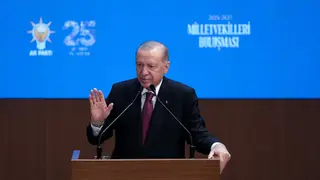
Turkish President Recep Tayyip Erdogan spoke with Russian President Vladimir Putin on October 7, offering Turkish mediation for direct negotiations between Russia and Ukraine while emphasizing the critical importance of safe maritime navigation in the Black Sea. The call came amid escalating drone attacks on merchant vessels in the region, including strikes that killed at least one crew member and damaged multiple commercial ships. Erdogan also extended birthday congratulations to Putin and discussed bilateral and regional issues.
Commercial shipping in the Black Sea faces an unprecedented security crisis, with multiple vessels attacked over recent days resulting in casualties and cargo damage. The incidents involve merchant ships flagged under various nations—including Marshall Islands, Togo, Palau, and Liberian registries—underscoring how the conflict affects global maritime commerce. Ukrainian authorities attribute the attacks to Russian drone strikes, while some incidents involve drones of unconfirmed origin, complicating the security picture.
Turkey's diplomatic engagement reflects broader international concern about freedom of navigation. A coalition of 51 nations has formally backed Ukraine's position on Black Sea passage, signaling substantial global support for restoring safe maritime conditions. The region's shipping disruption carries economic implications for grain exports and other trade, making Erdogan's mediation offer potentially significant for stabilizing both the conflict and commercial operations.
The deteriorating Black Sea security situation could significantly impact global food security and energy markets, given the region's role in grain and commodity exports. Seafaring nations and shipping companies face mounting insurance costs and crew safety risks, potentially redirecting trade routes and increasing consumer prices. Turkey's intermediary position may influence whether diplomatic channels remain open, while the targeting of civilian vessels raises questions about international law enforcement and maritime protection mechanisms that could reshape future shipping regulations.