Russian attacks across Ukraine kill at least 13 and wound over 100, striking hospital infrastructure
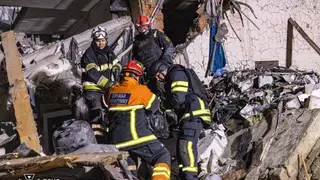
Russian military operations killed at least 13 people and injured 104 others across multiple Ukrainian regions on October 5-6, including strikes on civilian infrastructure. A hospital in Kryvyi Rih sustained damage from Banderol cruise missile attacks, with two medical workers among the four injured in that assault. Russia launched 137 Shahed-type drones in overnight operations, with Ukrainian air defenses intercepting or suppressing 114 of them while preventing strikes at most targeted locations.
Russian air operations on October 5-6 employed multiple weapon systems in coordinated strikes across Ukrainian territory. The assault combined cruise missiles, glide bombs, and over 130 attack drones—including both armed variants and decoys—indicating a sustained offensive across numerous fronts. Ukrainian defenders managed to neutralize or deflect the majority of airborne threats, though some penetrated defenses to strike populated areas and critical infrastructure.
The geographic spread of casualties across six regions—from Kharkiv in the northeast to Zaporizhzhia in the southeast—demonstrates the conflict's reach. Kharkiv sustained the heaviest civilian toll with seven deaths and 70 injuries, while Zaporizhzhia recorded nearly 1,000 attacks on settlements despite fewer casualties. Medical facilities have become apparent targets, complicating healthcare delivery in conflict zones.
The targeting of hospital infrastructure may strain civilian healthcare capacity in already-stressed regions, potentially limiting treatment options for both war injuries and routine medical needs. Widespread drone operations across multiple provinces could affect civilian morale and displacement patterns. High casualty counts in densely populated cities like Kharkiv may increase pressure on emergency services and humanitarian resources, while the scale of attacks on Zaporizhzhia suggests infrastructure degradation that could have long-term consequences for regional stability and civilian living conditions.