Record-Late First Hurricane Imminent as Atlantic Season Remains Unusually Calm
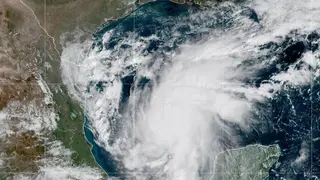
Tropical Storm Isaias is forecast to strengthen into a hurricane by October 10, which would mark the latest-forming first hurricane of the Atlantic season since reliable record-keeping began. The unusual quiet in Atlantic hurricane activity this year stems partly from El Niño conditions in the Pacific, which create wind shear patterns that suppress hurricane development in the Atlantic basin. Isaias is expected to make landfall on the U.S. Gulf Coast, potentially bringing strong winds, heavy rainfall, and dangerous storm surge to areas including Mississippi, Alabama, and Florida.
The Atlantic basin has experienced an exceptionally subdued hurricane season so far, with Isaias potentially breaking a historical record by becoming the season's first hurricane months later than usual. This unusual lull in tropical cyclone development is substantially influenced by El Niño conditions occurring in the Pacific Ocean. When Pacific waters warm during El Niño events, they alter atmospheric circulation patterns that extend across the globe, creating conditions in the Atlantic characterized by increased wind shear—the shifting of wind velocity at different altitudes—which fundamentally disrupts the organized rotation necessary for hurricane formation.
Conversely, the same El Niño pattern has concentrated hurricane activity in the eastern Pacific region, where multiple storms have posed significant threats to Hawaii this season. This oscillating pattern demonstrates how interconnected ocean-atmosphere systems distribute tropical cyclone activity geographically based on larger-scale climate phenomena.
Isaias's potential landfall on the U.S. Gulf Coast may impact residents across Mississippi, Alabama, and Florida through destructive winds, flooding, and storm surge. Communities in these regions could face power outages, infrastructure damage, and temporary displacement if evacuation orders are issued. The timing of this late-season hurricane may also affect preparedness levels among coastal populations who might have lowered their alert status given the unusually quiet season. Emergency management agencies and utilities may face resource allocation challenges responding to a significant tropical system after months of relative calm.