El Niño's Kelvin Waves May Trigger Coastal Flooding on North American West Coast
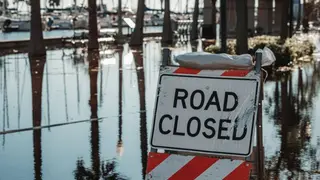
A strengthening El Niño is expected to generate Kelvin waves—planetary-scale disturbances that propagate from west to east along the equator over several months—which could eventually reach the western coast of North America. These waves, distinct from typical surface waves, are anticipated to contribute to coastal flooding impacts in the region. The phenomenon represents one of several cascading climate effects from the current El Niño event, which has already suppressed Atlantic hurricane activity while intensifying Pacific storm seasons.
El Niño represents the warm phase of a larger climate oscillation system affecting tropical Pacific waters. During El Niño events, trade winds weaken significantly, allowing warmer ocean surface layers to remain closer to the top rather than being displaced by colder deep water. This weakened wind pattern simultaneously enables the warm surface layer itself to shift eastward across the Pacific basin.
As these warm waters progress toward North America over several months, they bring elevated temperatures and sea levels to coastal regions. The phenomenon differs fundamentally from conventional surface waves, instead resembling a massive oceanic disturbance that propagates across planetary distances. Scientists track this mechanism as a significant pathway through which Pacific climate events influence North American coastal conditions.
Coastal communities along the western United States and Canada could experience higher water levels and increased flooding risks during fall and winter months if these Kelvin waves develop as predicted. Infrastructure, property, and local ecosystems in vulnerable low-lying areas may face disruption from sustained elevated water conditions. The potential impacts underscore how distant oceanic climate patterns can create tangible hazards for populated regions, potentially requiring adaptive planning and resource allocation by coastal municipalities and emergency management agencies.