Trump Appoints Intelligence Director to Lead New Super Intelligence Force Task Force
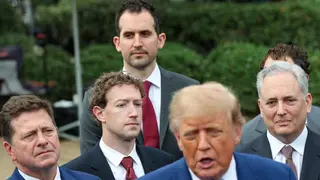
President Trump designated Director of National Intelligence Jay Clayton to head the newly established Super Intelligence Force while retaining his intelligence leadership role, effectively repositioning artificial intelligence as a national security priority rather than a commercial or research matter. Clayton's task force has 120 days to assess the technology's risks and opportunities and recommend appropriate federal government involvement. The appointment follows Trump's September announcement creating an AI-focused entity and represents the second leadership change for the administration's AI policy in two years.
President Trump's decision to place artificial intelligence oversight under the Director of National Intelligence represents a significant shift in how the federal government approaches the technology. By assigning this role to Jay Clayton rather than creating a standalone position, the administration has signaled that AI development poses national security concerns equivalent to intelligence matters. This marks the second leadership transition for Trump's AI policy within two years, following David Sacks's departure from the role in March.
The Super Intelligence Force inherits a voluntary industry commitment signed at a recent White House meeting with major tech companies. However, this accord lacks enforcement mechanisms and public transparency about its specific requirements. Clayton's 120-day mandate requires the task force to evaluate both risks and opportunities while determining what regulatory or oversight role the federal government should assume, with particular focus on how to verify compliance among frontier AI developers.
This restructuring may significantly influence AI development practices and corporate accountability in the United States. The assignment to an intelligence official could accelerate safety oversight and security protocols for advanced AI systems, potentially affecting how companies design and deploy these technologies. However, the voluntary nature of existing industry commitments and questions about enforcement authority suggest the practical impact will depend on what specific powers and resources Clayton's task force receives. Different stakeholders—from tech companies to civil society groups—may experience contrasting effects based on what regulations ultimately emerge.