Google's Smart Display Lineup Stagnates as Users Grow Frustrated with Five-Year-Old Hardware
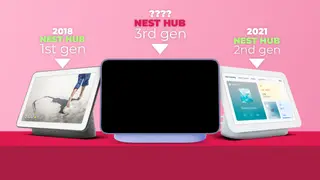
Google's current smart display offerings, the Nest Hub (2nd gen) from 2021 and Nest Hub Max from 2019, have gone without meaningful updates for years while competing device categories receive regular refreshes. Users are increasingly frustrated by the aging hardware, which shows signs of strain despite the long time since release. The lack of innovation in this product line contrasts sharply with the annual update cycles consumers expect from other tech categories.
Google's smart display portfolio has remained virtually unchanged for years, with the company's most recent model arriving in early 2021. The larger alternative, released two years earlier, is now approaching a decade in age. Meanwhile, other consumer technology categories—smartphones, tablets, wearables—receive regular annual or biennial refreshes, setting different expectations across the industry.
Users experiencing these devices firsthand report deteriorating performance over time. Connection problems have become increasingly common, requiring troubleshooting steps that undermine the seamless experience these devices promised when new. Even earlier generation models are facing more severe issues that render them unreliable for basic functions.
The stagnation in Google's smart display line could influence consumer confidence in the broader smart home category. Users expecting regular innovation cycles may redirect purchases toward competitors or alternative solutions, potentially affecting Google's market position in connected home technology. This situation may also highlight broader challenges in the smart display market—whether existing hardware remains adequate or whether the category itself faces declining priority among major tech manufacturers seeking newer growth opportunities.