Senators press White House to start enforcing Russia sanctions law early
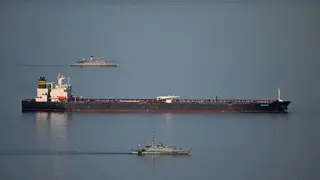
U.S. Senators Jeanne Shaheen and Roger Wicker urged the Trump administration to begin enforcing the Sanctioning Russia and Iran Act before its main provisions take effect on Oct. 18. They pointed to intensified Russian strikes on Ukrainian civilians and energy infrastructure and new North Korean troop deployments as reasons for immediate economic pressure. The senators also called for stronger measures against Russian oil revenue, shadow-fleet vessels, and sanctions-evasion networks, including third-country suppliers.
The measure, signed into law on Sept. 18, is named for Lindsey O. Graham and pairs Russia and Iran sanctions. Most of its authorities begin Oct. 18, giving the administration its first test of how forcefully it will use them. Shaheen and Wicker sent their request in a letter that was shared with the Kyiv Independent before becoming public.
They contrasted U.S. designations of 216 shadow-fleet vessels with more than 600 by the EU and U.K. They also cited 2025 penalties on Lukoil and Rosneft, which Moscow has since circumvented through UAE and Hong Kong intermediaries, and urged targeting suppliers in China, the UAE and Türkiye, plus firms tied to the Rassvet satellite network.
Earlier enforcement could raise costs for Russian oil exports and shadow-fleet operators, potentially affecting global energy markets and consumers. Ukrainian civilians and energy infrastructure may benefit if economic pressure constrains Moscow’s war effort, though any effect could be indirect and gradual. Firms in third countries linked to sanctioned supply chains may face greater compliance risks or lose access to dollar-based trade. The outcome may also influence how closely the U.S. and allies coordinate future sanctions.