Record El Niño Could Leave Lasting Climate Changes
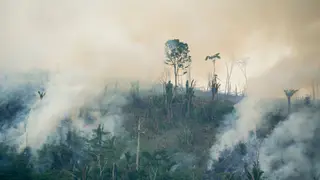
The ongoing El Niño is the strongest ever recorded and is expected to intensify before peaking late in 2026, then fade by mid-2027. Its aftermath could include lasting climate shifts, such as severe Amazon drought that may permanently dry parts of the rainforest and release large amounts of carbon dioxide. Global average temperatures are projected to be about 1.6°C above pre-industrial levels this year and possibly 1.7°C or higher in 2027.
The aftermath could weigh most heavily on Amazonian communities and ecosystems, where drought may reduce water availability, harm crops, and increase fire risk. Carbon released from damaged rainforest could add to global warming, while temperature records may intensify heat stress and infrastructure strain elsewhere. If ocean regime shifts disrupt marine ecosystems, fisheries and coastal livelihoods could also face uncertainty. These are possible consequences, not fixed outcomes. Count: The1 aftermath2 could3 weigh4 most5 heavily6 on7 Amazonian8 communities9 and10 ecosystems,11 where12 drought13 may14 reduce15 water16 availability,17 harm18 crops,19 and20 increase21 fire22 risk.23 Carbon24 released25 from26 damaged27 rainforest28 could29 add30 to31 global32 warming,33 while34 temperature35 records36 may37 intensify38 heat39 stress40 and41 infrastructure42 strain43 elsewhere.44 If45 ocean46 regime47 shifts48 disrupt49 marine50 ecosystems,51 fisheries52 and53 coastal54 livelihoods55 cou