Meat Sugar Neu5Gc Tied to Type 2 Diabetes Risk
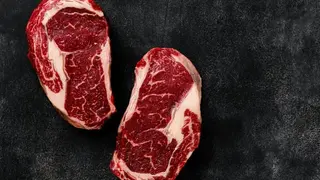
An observational analysis of 89,953 French adults found that those with the highest meat-derived Neu5Gc intake had a 63% higher risk of developing type 2 diabetes than those with the lowest intake. The link weakened after adjusting for body mass index but remained statistically significant. Because humans lost the ability to produce Neu5Gc, immune reactions to the dietary sugar may contribute to chronic inflammation.
Humans lost Neu5Gc production after a CMAH-disabling mutation, unlike most mammals. The sugar still comes from food, mainly beef and lamb, and less from dairy. Absorbed Neu5Gc can enter tissues and be seen by antibodies as foreign, causing persistent immune activity called xenosialitis, previously studied in cardiovascular disease and cancer.
In NutriNet-Santé, 89,953 French adults free of diabetes and cancer at entry were tracked for a median 7.2 years; 966 developed type 2 diabetes. Intake estimates used three 24-hour diet records and a food database. Risk rose with meat-derived Neu5Gc, especially at high levels; dairy Neu5Gc did not follow that trend. BMI adjustment weakened but did not remove significance.
If confirmed, this could sharpen dietary guidance around red meat, affecting consumers, clinicians, and food producers. People at higher risk for type 2 diabetes may reconsider red meat intake, while dairy sources may appear comparatively less concerning. The findings may also spur interest in Neu5Gc measurement, biomarkers, and inflammation-targeted research. However, observational data cannot establish cause, so impacts on policy or individual choices may remain gradual and contested.