Biela's Comet vanished but left behind the Andromedid meteor shower
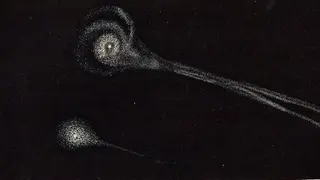
Biela's Comet was first recorded in 1772 and later recognized by Wilhelm von Biela as returning every 6.6 years. In 1846 observers saw it split, and its pieces disappeared in the 1850s. The comet's remains still produce the Andromedid meteor shower, which caused two meteor storms in the 1800s and is now a faint late-November shower.
EXPANDED:
Jacques Laibats-Montaigne recorded Biela’s Comet in 1772. Wilhelm von Biela later linked it to a 6.6-year orbit, giving the comet its name. On its 1846 return, it became pear-shaped and split in two about ten days later. The halves shared nearly the same path, separated by roughly 174,000 miles, with erratic brightness. By 1852, their gap had grown eightfold and their periods differed by about 15 days. Neither was seen again.
The Andromedids, or Bielids, return each late November from Andromeda. Their debris follows the vanished comet’s orbit.