Draconids and Orionids Meteor Showers Peak This Month
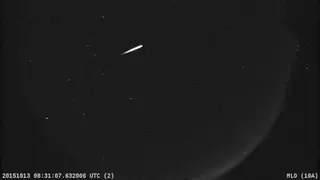
October 2026 features two annual meteor showers: the Draconids peaking on October 8 and the Orionids peaking on October 21, created when Earth passes through debris trails left by comets. The Draconids, originating from Comet 21P/Giacobini-Zinner, will produce only a few meteors per hour but are ideal for casual viewing since they appear soon after sunset. The more active Orionids, from Halley's Comet, will be best viewed before dawn when the moon has set, and observers should seek locations with minimal light pollution.
October offers stargazers two opportunities to observe celestial phenomena created by Earth's intersection with comet debris. The Draconids originate from a relatively small comet measuring roughly two kilometers across, while the more productive Orionids stem from Halley's Comet, a significantly larger object at approximately 15 kilometers wide. This size difference directly correlates with viewing intensity; the Draconids will display modest activity suitable for evening observation, whereas the Orionids promise greater meteor frequency during pre-dawn hours when atmospheric conditions are most favorable.
These meteor shower events could enhance public engagement with astronomy and space science, particularly among casual observers seeking accessible outdoor activities. Educational institutions and planetariums may experience increased interest in programming related to celestial observation. The phenomena may also drive tourism to areas with minimal light pollution and encourage discussions about light pollution's impact on scientific research and natural sky visibility, potentially influencing urban planning considerations in some communities.