Advanced Packaging Demands New Process-Control Methods
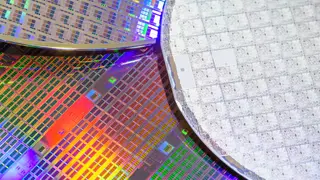
The rise of heterogeneous integration—including 2.5D interposers, CoWoS, hybrid bonding, and 3D stacks—is changing how advanced packaging processes are brought into production. These package technologies show yield sensitivities and defect causes unlike those of front-end logic or conventional packaging. A proposed integrated approach combines metrology, characterization, and analytics to speed development and keep production under control.
Advanced packaging is becoming central as chip designs move toward heterogeneous integration. The source notes that 2.5D interposers, CoWoS, hybrid bonding, and 3D stacks create yield and defect behaviors that differ from front-end logic and standard packaging. Because these package types are newer, the industry has not had dedicated metrology, characterization, and analytics systems built for them at scale.
A proposed integrated method links measurement, characterization, and analytics. Its stated goals are faster process development and ongoing production control. The whitepaper is from PDF Solutions and was published October 8, 2026.
Better process control for advanced packaging may affect chipmakers, equipment and materials suppliers, test providers, and ultimately users of AI, automotive, communications, and computing systems. If yields improve and ramps accelerate, more reliable and possibly less costly heterogeneous chips could reach markets. If control methods lag, defects and delays could slow availability of advanced devices.