Underwater Find Shows Lighthouse of Alexandria on Bronze Ring
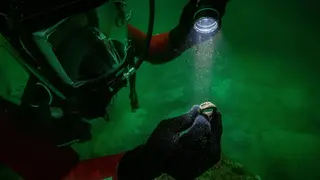
Underwater archaeologists discovered a bronze signet ring engraved with the Lighthouse of Alexandria in the submerged palace remains on Antirhodos island. It is the first signet ring known to show the lighthouse, and its image resembles depictions on second-century coins. The palace was used by Ptolemaic pharaohs, and the lighthouse was built around 280 B.C. before earthquakes and erosion destroyed it.
The bronze signet ring was recovered by a joint Egyptian-European underwater archaeology team in palace ruins on Antirhodos, an island now beneath the Mediterranean near Alexandria. It is reportedly the first signet ring bearing the lighthouse’s likeness. The engraved image matches how the structure appeared on second-century coins.
The palace belonged to Ptolemaic rulers, descendants of one of Alexander the Great’s generals. The lighthouse, completed around 280 B.C. on Pharos and standing over 100 meters, guided sailors for centuries until seismic damage and erosion submerged it. A signet ring could press seals into clay or wax, hinting the palace handled lighthouse administration.
This find may deepen public interest in underwater archaeology and ancient Alexandria, potentially drawing more visitors, students, and funding to museums and heritage programs. It could also strengthen collaboration between Egyptian and international researchers, while raising questions about conserving and displaying submerged artifacts. For local communities near Alexandria, renewed attention may bring cultural tourism opportunities, though benefits depend on responsible site management and access.