Forensic Study Revives Theory of Retainer Sacrifice in Early Egypt
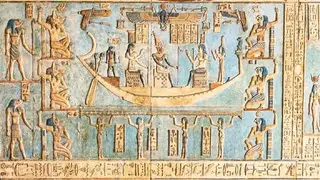
Modern forensic analysis of skull injuries has revived a century-old theory that Egypt's earliest pharaohs used retainer sacrifice, killing members of the royal court to serve them in the afterlife.
This story sits within archaeology's continuing effort to interpret ancient burial practices through physical evidence. A long-standing claim about early Egyptian royal funerals is being revisited because forensic examination of skull trauma can offer fresh support for an old idea. The debate concerns whether the earliest pharaohs' courts included people killed to accompany rulers in death. How scholars weigh such evidence may shape understanding of early Egyptian ritual and authority.
This research may affect how museums, educators, and audiences discuss early Egyptian civilization, potentially shifting public understanding of royal power and burial customs. It could also influence how archaeologists and forensic specialists communicate contested findings, especially where evidence remains limited. For modern Egyptians and others connected to Egypt's heritage, renewed attention to ancient practices may prompt reflection on cultural heritage, though conclusions should be treated cautiously until independently assessed.