T-Mobile AI network gains, SpaceX direct-to-device approval, Vodacom 5G spend
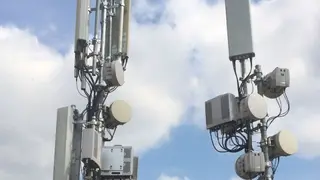
T-Mobile described AI-driven network management that made over 30,000 antenna changes during a 2026 storm and more than 11,000 adjustments during the World Cup. The FCC authorized SpaceX to deploy up to 15,000 direct-to-device satellites, with half required by 2032 and full deployment by 2035. Vodacom South Africa allocated over R500 million to expand and upgrade its Western Cape network, including 5G sites and 700 MHz 4G capacity.
EXPANDED:
T-Mobile's AI-driven coverage system maps the U.S. into millions of 165-meter hexagons, weighing dropped calls, service quality, churn and subscriber movement to guide where investment goes. In January 2026's winter storm Fern, its self-organizing network performed over 30,000 antenna changes and added more than 250,000 minutes of backup battery runtime; 68% of affected users regained service within an hour and 98% within eight hours. During the 2026 World Cup, it made more than 11,000 automated adjustments across 12 cities.
The FCC's October 6 order lets SpaceX operate as many as 15,000 direct-to-device satellites in nine very-low-Earth-orbit shells near 326–335 km. Half must be launched by October 7, 2032, and all by October 7, 2035. Some spectrum rights depend on an EchoStar licence transfer, and other frequency requests were postponed. This is separate from Starlink broadband approval and does not mean the satellites are active.
Vodacom South Africa plans over R500 million for Western Cape network expansion this financial year. About R380 million targets radio access modernization at more than 50 sites, while another 50-plus sites get 700 MHz 4G capacity. New 5G sites are planned in provincial towns, alongside battery and generator upgrades. Western Cape mobile data use rose over 40% year on year, and the program covers rural communities and townships.
That's 3 paragraphs, total maybe 180 words. Requirement 2 short paragraphs under 120 words total. Need compr