Maui solar-plus-storage PPA sought; South Africa prioritizes batteries; German wind permits issued
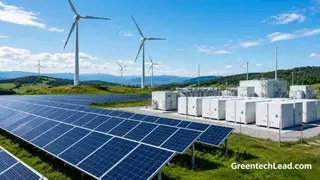
Hawaiian Electric asked Hawaii's Public Utilities Commission to approve a 20-year fixed-price power purchase agreement for the Pulehu Solar project on Maui, combining 20 MW of solar with 80 MWh of storage and enough annual output for about 10,000 households. AES Hawaiʻi acquired the development in September 2026, and the design was revised to move the battery and substation farther from homes and add wildfire safeguards. South Africa plans to procure 4,600 MW of battery storage in the first phase of its Integrated Resource Plan 2025 alongside 5,000 MW of gas generation, while Energiekontor received permits for 142 MW of wind farms in Germany.
Hawaiian Electric has asked regulators to approve a 20-year fixed-price PPA for Pulehu Solar on Maui. The plan pairs 20 MW of solar with 80 MWh of storage and could generate enough yearly electricity for roughly 10,000 households. AES Hawaiʻi acquired it in September 2026; after community talks, the battery and substation were moved farther from homes and wildfire protections added. Approval remains pending.
South Africa's IRP 2025 first phase targets 4,600 MW of battery storage and 5,000 MW of gas, with batteries prioritized to absorb surplus power and meet peaks. Earlier bidding secured about 1,744 MW/6,976 MWh. Energiekontor received permits for 142 MW across four German wind farms, comprising 21 turbines.
Maui residents could see steadier renewable power and reduced wildfire risk, though ratepayers may bear PPA costs. South Africa's battery focus may improve grid reliability for households and businesses, while gas additions could raise emissions concerns. German wind approvals may support local jobs and cleaner generation, but nearby communities could face construction and landscape impacts. Overall, these moves may accelerate storage and wind deployment while leaving affordability and siting tradeoffs for regulators and residents.