Moscow eases diesel export restrictions following agreement with Trump
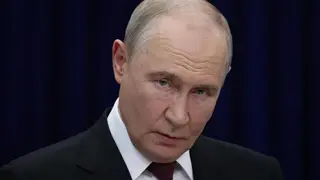
Russia's government has partially lifted its diesel export ban, allowing 500,000 tons to be sold abroad starting Oct. 10, according to TASS. The change came after a deal between Vladimir Putin and Donald Trump opened Russian diesel to U.S. and other markets despite sanctions tied to the Ukraine invasion. Moscow had banned diesel exports in July 2026 after Ukrainian strikes damaged its fuel supply.
Moscow’s decision, reported by TASS, permits 500,000 tons of diesel to be sold abroad and took effect on Oct. 10. Russian oil firms were said to begin foreign sales contracts right away. The shift followed an Oct. 9 Putin-Trump arrangement that opened Russian diesel to U.S. and other markets despite Ukraine-related sanctions.
The ban began in July 2026 after Ukrainian strikes hurt Russian fuel infrastructure. Moscow then limited sales, imported Indian supplies for the first time, and allowed lower-quality gasoline output. Deputy Prime Minister Alexander Novak asserted that people inside Russia would see no impact and described output as adequate. Washington has purchased no Russian fuel products since March 2022.
The partial reopening may affect Russian drivers, oil producers, and international diesel buyers. If exports rise as planned, Moscow’s firms could gain revenue, while global fuel markets might see some added supply and price pressure ease. Domestic availability could remain stable, though that depends on production and logistics. U.S. and other buyers may weigh sanctions risks and political scrutiny. Ukrainian strikes and ongoing war could still disrupt fuel infrastructure, leaving outcomes uncertain.