Artemis II Science Report Released to Researchers and Public
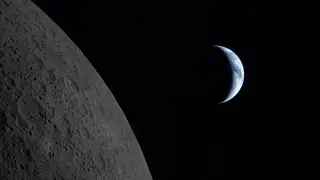
NASA has released a preliminary science report from Artemis II, the crewed lunar flyby that launched on April 1, 2026. During the roughly ten-day mission, the four astronauts documented lunar geology, nighttime impacts, and views of Earth and the Sun from the far side of the Moon. The report and selected data resources are now available for the science community and the public.
Artemis II lifted off on April 1, 2026, using NASA's Space Launch System. About three and a half hours later, the Orion capsule Integrity separated from the first stage. Reid Wiseman, Victor Glover, Christina Koch, and Jeremy Hansen then spent nearly ten days circling the Moon. As Artemis's second mission, it marked another step toward human lunar return.
The crew documented far-side geology, nighttime surface impacts, and Earth and Sun rises. Their observations included a 54-minute solar eclipse behind the Moon and a nighttime Earth image showing weather, auroras, atmospheric layers, dust, zodiacal light, and city lights. NASA's preliminary report and selected data are now public.
Researchers may use the report and selected data to study lunar geology, solar corona, and Earth observations. The public, educators, and students could gain an accessible entry point into Artemis science. This may increase interest in lunar exploration and Earth observation, though actual impact depends on how widely the materials are used.