Kyiv backs Baltic effort to block Russian grain transit through EU
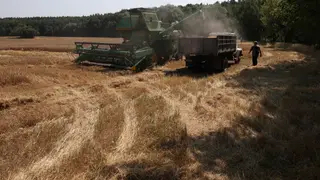
Ukraine's agriculture minister thanked Latvia, Lithuania, and Estonia for advancing an EU-level proposal to ban Russian grain transit through the bloc. The Baltic prime ministers urged the EU to sanction Russian grain, prevent grain from occupied territories from being exported, and strengthen Solidarity Lanes for Ukrainian exports. The issue is expected to be discussed at an EU leaders' summit on Oct. 14 and a meeting of agriculture ministers on Oct. 26.
Ukraine’s agriculture minister publicly thanked the prime ministers of Latvia, Lithuania, and Estonia after they moved the issue onto the EU agenda. Lithuania’s prime minister first urged EU sanctions and a transit ban on Oct. 8; the three Baltic leaders then sent a joint letter the following day.
That letter also asks Brussels to stop grain taken from occupied areas from reaching markets through the EU and to expand Solidarity Lanes for Ukrainian exports. A Russian blockade of the Black Sea has reduced Kyiv’s agricultural tax revenue, pushed global grain prices higher, and threatened countries in North Africa and the Middle East that rely heavily on Ukrainian exports. Timing for any ban remains unclear.
If EU-level restrictions advance, Russian grain exporters and transport operators could face added costs, while Ukrainian farmers and exporters may gain from stronger Solidarity Lanes. Consumers in import-dependent North African and Middle Eastern markets could see prices and supply affected by both the Black Sea blockade and any new transit rules. EU leaders and agriculture ministers may weigh food security, sanctions enforcement, and trade logistics at their October meetings.