Survey of 37 Brown Dwarfs Reveals Puzzling Atmospheric Complexity
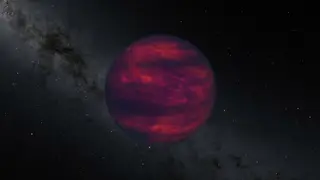
A study of 37 brown dwarfs has uncovered varied and complex atmospheres, highlighting gaps in current models of their clouds. The findings suggest these failed stars are stranger than scientists previously assumed. NASA's work adds new detail to how brown dwarf weather may operate.
The survey looked at 37 brown dwarfs, objects that fall short of becoming stars. Their atmospheres turned out to be varied and complex, revealing weaknesses in existing cloud models for these bodies. NASA’s research adds fresh detail about how weather on brown dwarfs might work. The results indicate these objects are more unusual than researchers had thought, fitting into broader space science efforts to understand atmospheres that do not match familiar expectations.
This story may mainly affect astronomers and space scientists, who could use the survey to refine cloud models and spot where current understanding falls short. It may also shape public interest in space exploration by presenting brown dwarfs as more complex than expected. Over time, clearer weather insights could support broader efforts to interpret these atmospheres, though the immediate societal impact is likely limited to research and science communication.