Smartphone shipments hit decade low, but Apple and Samsung gain share
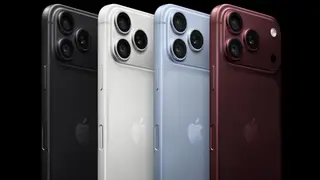
Counterpoint Research reports that third-quarter smartphone shipments dropped 20 percent from a year earlier, the weakest Q3 since 2012. Rising DRAM and NAND prices pushed up device costs and retail prices, leading consumers to keep phones longer or buy refurbished models. Apple surpassed 20 percent market share for the first time in a Q3, while Samsung remained the largest vendor and Xiaomi, Oppo, and Vivo saw steep declines.
Counterpoint Research links the third-quarter decline to rising memory-chip prices. Higher DRAM and NAND costs increased component expenses, worsened existing shortages, and hampered handset availability. Vendors passed these costs to buyers, lifting worldwide retail phone prices by a fifth since January.
Samsung remained the top vendor, with its share reaching 23 percent even as volume slipped 3 percent. Apple exceeded 20 percent in a Q3 for the first time, rising to 22 percent. Xiaomi, Oppo, and Vivo all lost ground sharply.
Higher device prices could widen the digital divide, as budget-conscious users may delay upgrades or rely on refurbished handsets. Manufacturers' focus on premium models may reduce affordable options, affecting students, lower-income households, and people in developing markets. Longer replacement cycles could also slow e-waste growth, though repair and resale markets may expand. Apple and Samsung's gains may further concentrate influence over app ecosystems and carrier deals, potentially shaping choices for consumers and smaller rivals.