West Nile Virus Explained After Fatal Cases in North Carolina
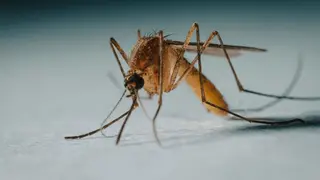
Two adults in central North Carolina died from West Nile virus this month. The mosquito-borne infection can lead to severe neuroinvasive disease, and some people are at greater risk. With no vaccine or antiviral treatment available, clinicians focus on diagnosis, supportive care, and prevention.
West Nile virus is a mosquito-borne infection. In central North Carolina, two adults died from it this month. The virus can cause severe neuroinvasive disease, and some people are at greater risk.
No vaccine or antiviral treatment is available. Clinicians therefore focus on diagnosis, supportive care, and prevention. Because certain individuals may face higher risk, reducing mosquito exposure and seeking medical assessment when illness is suspected remain important.
The deaths in central North Carolina may heighten local awareness of mosquito-borne illness, particularly among people at greater risk of severe neuroinvasive disease. Families and communities could face grief and concern, while clinicians may see increased demand for diagnosis and supportive care. Because no vaccine or antiviral treatment is available, prevention efforts and public education could become more prominent. The broader impact may remain limited but could prompt renewed attention to mosquito control and personal protection.