Assessing Ethiopia and Eritrea's Military Balance Amid Border Tensions
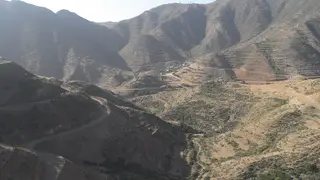
An analysis compares the Ethiopian and Eritrean militaries as Ethiopian troops reached the border town of Zalambessa by October 13. Ethiopia has a much larger population, more troops, and armed drones, while Eritrea relies on long-term conscription, mountainous defenses, and lessons from the 1998-2000 war. Eritrea accuses Ethiopia of planning to seize the port of Assab, and a prediction market put the chance of an Eritrean invasion by December 31 at 21.5%.
Ethiopia’s population is roughly 135.5 million, while Eritrea’s is about 3.6 million, according to UN 2025 estimates. Ethiopia fields around 600,000 ground troops; Eritrea’s force is generally estimated below 200,000. Eritrea maintains lengthy national service, effectively a long-term trained pool, whereas Ethiopia relies on volunteers.
The shared border runs about 1,000 km and was delimited in 2002. Their last war, from 1998 to 2000, killed some 100,000 people. By 13 October, Ethiopian troops had reached Zalambessa, and Eritrea accused Ethiopia of seeking Assab. A prediction market put a 21.5% chance on an Eritrean invasion by 31 December.
A renewed conflict could endanger civilians near the border and Eritrean conscripts, disrupt trade routes near Bab el-Mandeb, and strain already limited services. Ethiopian and Eritrean households may face displacement, loss of income, or prolonged separation. International attention, including possible UN Security Council discussions, may shape escalation but not guarantee protection.