A Cardiology Conference Raises Questions About Listening to Patients
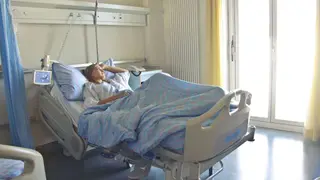
The author, a psychologist and congenital heart disease patient, spoke at a cardiology conference and left questioning how much patient perspectives are truly heard. She observed that the event emphasized technology and promotional messaging more than listening to people living with heart conditions. The piece argues that medicine may save lives but still struggles to understand and address the experience of survival.
The author is a psychologist who has lived with congenital heart disease since infancy and still needs specialist care. At a summer cardiology symposium, she joined respected professors but found the exhibition hall focused on equipment, clinical advances, and social-media promotion rather than patient experience.
Her talk covered the psychological side of lifelong medical intervention. She described childhood pacemaker checks—dizziness, breathlessness, holding her mother’s hand, counting ceiling tiles—and noted that several attendees left. Because earlier speakers ran over, no questions followed her presentation, the session centered on lived experience.
This account may resonate with patients and families navigating long-term conditions, especially those whose care involves repeated procedures and specialist follow-up. It could encourage clinicians and conference organizers to consider whether patient voices receive equal time and genuine dialogue. For health systems, the piece may highlight a gap between technical success and understanding survivorship, potentially influencing how care is planned, communicated, and evaluated. It may also prompt patients to feel seen.