Residue Analysis of Jordanian Tomb Cups Points to Ancient Funerary Practices
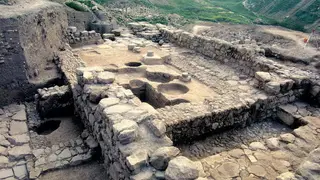
Scientists examined clay cups recovered from Tomb 89 at Pella in Jordan, a communal burial containing at least 82 individuals. Chemical traces of black pepper and wormwood were detected in the vessels, which date to roughly 3,000 years ago. The tomb was excavated in 1987, and the cups remained in storage until the recent sampling.
Scientists examined clay cups from Tomb 89 at Pella, Jordan, a communal burial with at least 82 individuals. The vessels date to roughly 3,000 years ago. The tomb was excavated in 1987, and the cups stayed in storage until the recent sampling.
Chemical traces of black pepper and wormwood were found in the cups. The findings connect these objects to ancient funerary practices, though the available summary does not detail how the substances were used or what they signified.
This research may interest archaeologists, museum professionals, and local communities near Pella, as it could deepen understanding of ancient burial customs. It may also encourage further study of stored artifacts, showing how old collections can yield new insights. For broader audiences, the story could make archaeological science more tangible, linking chemical evidence to rituals around death. Any social impact would likely be gradual and scholarly rather than immediate.