DNA Recovered from 46,000-Year-Old Neanderthal Hand Bones in Spain
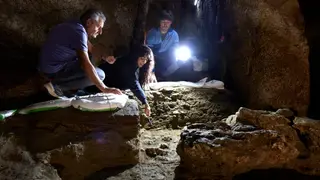
Researchers recovered ancient DNA from six hand bone fragments of a Neanderthal individual found in Abauntz Cave in Navarre, Spain. The remains date to about 46,000 years ago, and the team also obtained direct radiocarbon dates from the bones. These are reported as the first Neanderthal fossils discovered at the site.
The find centers on six hand bone fragments from one Neanderthal, unearthed in Abauntz Cave in Navarre, Spain. Researchers say the remains are roughly 46,000 years old. The team also secured direct radiocarbon dates from the bones, adding chronological evidence for the individual.
The site had not previously yielded Neanderthal fossils, according to the report. That makes these hand bones the first such remains identified at Abauntz Cave. The recovery of ancient DNA from the fragments is notable because it links genetic material to a specific dated Neanderthal individual from this location.
This discovery could sharpen public interest in human origins and in archaeology's ability to combine genetic and dating evidence. Museums, educators, and science communicators may use it to illustrate Neanderthal life and extinction. People in Navarre and Spain might see added local heritage significance, while researchers could face greater attention to cave preservation and sampling practices. Such impacts remain speculative until broader scientific interpretation and public engagement unfold.