D.C. Voters Face Ranked-Choice Ballot and Key Council Races
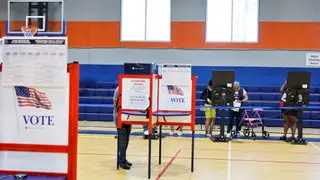
D.C. voters have several decisions to make in the Nov. 3 general election even though Democratic nominees for mayor and congressional delegate are favored. The at-large council race will use ranked-choice voting for the first time, changing how ballots are cast and counted. A citywide restaurant menu measure and ward-level council contests are also on the ballot.
D.C.'s Nov. 3 general election includes citywide and ward contests, plus a restaurant-menu measure. Although Democratic nominees for mayor and congressional delegate are strongly favored, the at-large council race is the central contest. For the first time in a general election, voters will rank candidates rather than choose two.
In that race, officials will drop lowest finishers round by round until two candidates remain. Because each ballot has only one active vote, a first choice locked on a leading candidate may prevent later rankings from helping decide the second seat. The Home Rule Act reserves two at-large seats for non-majority-party members, shaping strategy.
The ranked-choice format could affect voters, candidates, and representation. Voters may need more information to use rankings effectively, and delayed education materials could add confusion. Candidates may adjust outreach to secure first-choice support or encourage strategic rankings. The outcome may influence how the reserved non-majority at-large seat is decided, potentially shaping council priorities. These effects are uncertain and depend on turnout, voter understanding, and how campaigns communicate.