Why Some Midterm Race Results May Take Days
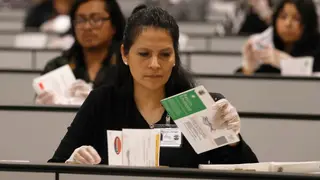
Election officials in competitive districts may not know winners for days after Election Day, largely because close margins require more time to count ballots. News organizations often call races based on early returns and demographics, but those calls are not the same as complete vote totals. Former Maricopa County election official Stephen Richer described the pressure of counting millions of ballots while facing public scrutiny and conspiracy theories.
Stephen Richer, a Republican and former clerk-recorder for Arizona’s Maricopa County, described election-night counting as intensely stressful. He recalled limited staff and space, public anger, and accusations of incompetence or corruption while ballots remained uncounted. In competitive midterm districts, officials may face similar conditions, and winners might not be known for days.
Race calls by news organizations, including NPR’s use of AP data, rely on early returns and district demographics rather than complete totals. Close margins require more evidence before analysts project a winner. California illustrates the issue: competitive House contests and slower ballot processing can delay results, drawing scrutiny and misinformation risks.
Delayed race calls may affect voters, candidates, election workers, and news audiences by prolonging uncertainty. In close contests, people could lose confidence if they expect instant winners, while officials may face heightened scrutiny and false claims. News organizations’ early projections may be mistaken for final totals, potentially fueling confusion. Clear explanations about counting rules and margins may help reduce suspicion, though they cannot eliminate disputes.