Omar’s American Story vs. Trump’s Nativist Attacks
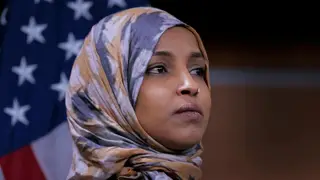
The article traces Somalia’s civil war and the refugee journey that eventually brought Rep. Ilhan Omar’s family to the United States. It argues that Trump’s attacks on Omar and Somali Americans are racist and possibly more than that. The piece contrasts Omar’s citizenship story with Trump’s hostile rhetoric toward immigrants and refugees.
Somalia’s leader was assassinated in 1969, and a military regime soon took power under Siad Barre. He adopted Marxist-Leninist policies and leaned toward Moscow, though ties later cooled after Somalia invaded Ethiopia in 1977. Washington then engaged with him more closely, including a Reagan-era welcome.
As civil war and state collapse engulfed Somalia in the late 1980s and early 1990s, huge numbers fled to Kenya. Nur Omar Mohammed brought his children to Dadaab; in 1995 the family received U.S. asylum and later sought citizenship. One child was Ilhan Omar, now a Minnesota congresswoman facing Trump administration efforts over an unproven age allegation.
This story may intensify public debate over immigration, citizenship, and political accountability. Somali Americans and other refugee communities could feel scrutinized or targeted by rhetoric linking them to a politician’s controversies. Supporters of Omar may see the scrutiny as politically motivated, while critics may demand investigations. The broader effect could be further polarization over who belongs in American public life, with implications for trust in institutions and electoral participation.