Florida Floodproofing Rules Leave Homeowners in Regulatory Limbo
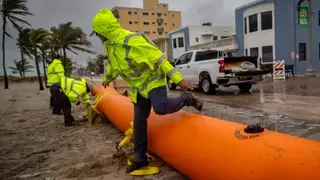
Florida homeowners in flood zones cannot install permanent flood barriers because federal regulations and the state building code prohibit them for single-family homes. Temporary and permanent flood protection products fall under different rules, and some installations can lead to denied insurance claims or permit problems. Local officials and experts say clearer permitting guidance is needed as demand for flood barriers grows.
Flood protection products split into temporary and permanent categories. Permanent barriers are attached to a structure and normally need permits, including post-installation inspection. For single-family homes in flood zones, permits for such barriers are unavailable. Panels can count as dry floodproofing, which federal insurance rules and Florida's code disallow for these homes because walls may not withstand water pressure.
Safety concerns include occupants being trapped inside by surrounding water. Local approaches vary: Miami-Dade does not issue residential flood-panel permits in flood zones; Naples may permit some if foundations can resist water; Fort Myers Beach issued them until FEMA intervened.
Homeowners in flood-prone areas could face confusion and financial risk: without clear permits, they may install barriers that jeopardize insurance claims or coverage, while local officials may struggle to enforce inconsistent rules. Insurers, lenders, and communities could also be affected if floodplain compliance is questioned. Clearer guidance might reduce uncertainty, but until then, residents may weigh rising flood exposure against limited legal options.