New Assessment Places Most Maltese Cart Ruts in the Classical Period
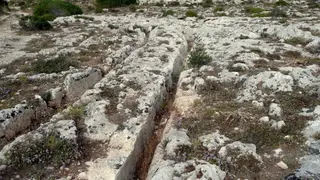
A new study by Joel Grima of the University of Malta examines the long-debated age of Malta’s limestone cart ruts. Published in the Journal of Archaeological Science: Reports, it weighs the available evidence and concludes that most of the grooves date to the Classical era rather than prehistory.
The new assessment concerns the age of Malta’s limestone cart ruts, a topic that has attracted scholarly debate. Joel Grima, based at the University of Malta, evaluates the evidence in a paper published in the Journal of Archaeological Science: Reports. His conclusion places most of the grooves in the Classical period rather than in prehistory. The work therefore reframes the main period associated with these features while leaving the details of the evidence to the published study.
The findings could influence how archaeologists and heritage interpreters frame Malta’s cart ruts, potentially affecting museum displays, site signage, and public understanding. Heritage managers may use the revised dating when considering conservation or presentation priorities. Residents and visitors might encounter a different narrative about the islands’ past, though the study’s impact will depend on how specialists and institutions assess and communicate it.