Egypt's digital strategy puts citizens at center, aims for $12 billion exports by 2030
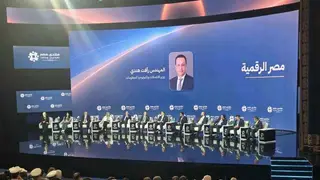
At Egypt Forum 2026, Minister Rafat Hendi said the citizen is central to digital transformation and must have skills to participate actively. He highlighted outsourcing growth, with about 280 centers employing 200,000 people and exporting most of their work. The strategy also targets high-quality connectivity, jobs, and $12 billion in digital exports by 2030.
At the 2026 Egypt Forum, Communications Minister Rafat Hendi outlined the country’s digital roadmap through 2030 during a high-level “Digital Egypt” session. He described residents as both drivers and beneficiaries of the transition, stressing that digital skills, ongoing learning and innovation are needed for active participation rather than passive use of services.
The plan covers four main areas: well-paid work at home and abroad, affordable high-quality connectivity, easier access to government services, and nationwide digital training. Outsourcing already includes about 280 centers and 200,000 workers, with most output exported. The Egypt Digital platform offers roughly 250 services, and more than 2 million people have received digital-capacity training over ten years. The export goal is $12 billion by 2030.
The strategy could affect job seekers, outsourcing staff, students and people using public services. Better connectivity and digital government may save time and widen access, while training may improve employability. Benefits may depend on affordable devices, reliable connections and whether skills reach groups outside major cities. The export target could create tech-service opportunities, but workers may face pressure to adapt as AI changes tasks.