Honeybee Hives Use Organized Chemistry as a Colony Defense
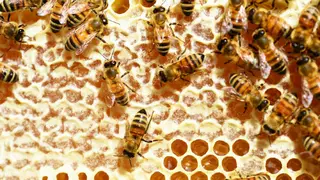
Researchers examined 24 European honeybee colonies across five Australian apiaries and tested hive materials against seven microbes. They found that antimicrobial activity changes from the bees' bodies toward exposed hive materials, with stronger effects against bacteria than fungi. The apiary site accounted for roughly one-third of the variation, hinting that farming practices and reduced floral diversity may weaken colony defenses.
Researchers sampled 24 European honeybee colonies across five apiaries in Paterson, New South Wales, Australia. They measured honey, propolis, pollen, wax, bee secretions and fat tissue against seven microbes, and sequenced microbial communities in different hive regions.
Defensive chemistry was not scattered randomly: it changed gradually from the bees themselves toward exposed hive materials, mirroring microbial shifts. Bacterial pathogens, including American foulbrood, were inhibited more strongly than fungi. Honey’s action was tied to hydrogen peroxide, propolis to flavonoids, and pollen to small polar compounds.
If hive chemistry depends on surrounding flora, beekeepers and farmers in simplified landscapes could face greater disease pressure, potentially affecting pollination services and crop yields. Consumers may eventually see indirect effects through food availability or prices, though the study does not measure those outcomes. The findings may also inform habitat and apiary management by highlighting floral diversity as a possible resilience factor.