RNA overload can harm mitochondria and drain cellular energy
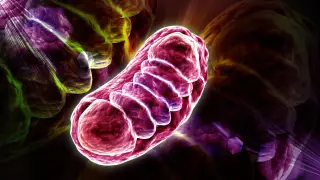
Researchers report that excess RNA inside cells can impair mitochondria, the organelles that supply most cellular energy. In poxvirus-infected cells, RNA buildup damaged these energy-producing structures without requiring an immune response. The finding may help explain cell damage in viral infections and aging-related disease and inform RNA-based therapies.
The study came from Texas A&M’s veterinary and biomedical sciences college and appeared in PNAS. It examined poxvirus-infected cells, where viral replication generates abundant RNA. Normally, cells continually recycle RNA to regulate protein output, discard faulty molecules, and manage immune signaling. When production outpaces breakdown, the surplus can disturb mitochondria and lower energy output.
A key surprise was that ordinary mRNA, not only double-stranded viral RNA, contributed to mitochondrial harm. The work may connect RNA accumulation to cell stress in infections and some age-linked diseases, and it raises questions for RNA-based medicines and vaccines about keeping RNA levels balanced.
The finding could matter to researchers, clinicians, and patients because it may add a new explanation for cellular damage during some viral illnesses and aging-related conditions. It may also inform how RNA-based therapies and vaccines are designed and monitored, though the study does not establish clinical outcomes. People receiving such treatments could benefit if future work clarifies safe RNA levels, but any practical impact would depend on further research.