Corroded titanium particles may explain implant-related jawbone damage
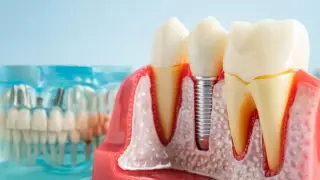
A Rutgers-led study found that bacteria can degrade titanium dental implants and release tiny metal particles into surrounding tissue. These particles activate a calcium channel in macrophages, keeping immune cells in an inflammatory state that damages jawbone. Blocking that channel prevented the condition in mice, suggesting a possible drug target for peri-implantitis.
Peri-implantitis develops in roughly 10%–20% of dental implant recipients and costs health systems over $1 billion yearly. Unlike gum disease around natural teeth, implant infections often persist despite antibiotics, succeeding in fewer than half of cases.
Researchers combined human tissue samples, laboratory-studied immune cells, and genetically engineered mice. They found bacterial biofilms acidify implant surfaces, releasing vast numbers of titanium particles smaller than red blood cells; these particles activate a macrophage calcium channel, and blocking it prevented disease in mice.
If confirmed, identifying this calcium channel could give clinicians a new way to protect jawbone in implant patients, especially those with persistent peri-implantitis. Because millions rely on implants and treatment costs exceed $1 billion annually, a targeted therapy may reduce repeated antibiotic use and additional treatment, though benefits depend on further trials and access.