Honeybees use aggression to monopolize flowers, study shows
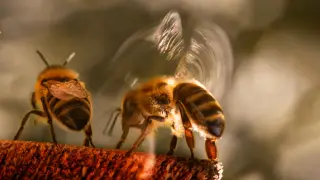
Researchers observed pollinators for two years at five sites near Cambridge, England, recording how honeybees chased or displaced other insects at bramble and ivy flowers. More honeybees generally meant more feeding losses for bumblebees, solitary bees, hoverflies, and other visitors. The authors warn that warmer conditions and growing honeybee numbers could intensify pressure on wild pollinators.
The findings may prompt beekeepers, farmers, gardeners, and conservation groups to think more carefully about where hives are placed and how floral resources are managed. Dense honeybee populations could add pressure on wild pollinators already facing habitat and climate stresses, potentially affecting pollination services that support food production and garden biodiversity. The study does not show ecosystem-wide collapse, but it may encourage local monitoring and more nuanced planning around pollinator support. Count: The1 findings2 may3 prompt4 beekeepers5, farmers6, gardeners7, and8 conservation9 groups10 to11 think12 more13 carefully14 about15 where16 hives17 are18 placed19 and20 how21 floral22 resources23 are24 managed25. Dense26 honeybee27 populations28 could29 add30 pressure31 on32 wild33 pollinators34 already35 facing36 habitat37 and38 climate39 stresses40, potentially41 affecting42 pollination43 services44 that45 support46 food47 production48 and49 garden50 biodiversity51. T