How Russian officials and media downplay Ukrainian strike targets
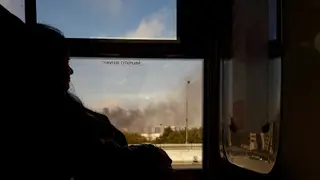
This analysis looks at how Russian authorities and regional media describe Ukrainian drone and missile strikes, often leaving out military targets. In the Taganrog example, Ukraine's SBU reported hits on drone production and storage sites and air defense equipment, while local officials described damaged commercial buildings and debris. It argues that Russian audiences are divided by information sources, with television remaining dominant and independent outlets reaching a much smaller group.
Because most Russians rely on television and local online communities, official accounts of strikes may shape how many understand damage and danger. Residents near targeted areas could face confusion about what was hit and what risks remain, while smaller audiences of independent outlets and military bloggers may form a different picture. This information gap may influence public trust and perceptions of the war’s costs, though its effects are likely uneven across regions and audiences. Count: Because1 most2 Russians3 rely4 on5 television6 and7 local8 online9 communities10, official11 accounts12 of13 strikes14 may15 shape16 how17 many18 understand19 damage20 and21 danger22. Residents23 near24 targeted25 areas26 could27 face28 confusion29 about30 what31 was32 hit33 and34 what35 risks36 remain37, while38 smaller39 audiences40 of41 independent42 outlets43 and44 military45 bloggers46 may47 form48 a49 different50 picture51. This52 information53 gap54 may55 influence56 public57 trust58 and5