AI Agents Bring Efficiency and New Dangers to Financial Trading
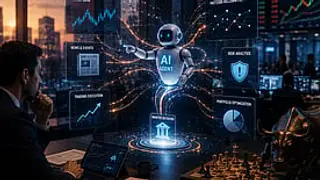
AI agents are software systems that can review market data, detect patterns and perform set tasks with limited human involvement in trading, portfolio management, fraud detection and risk assessment. They can handle large datasets quickly, but results depend on data quality, strategy design, transaction costs and market conditions. Automated agents can also deepen volatility and cause cascading losses, making human oversight essential.
AI agents in finance are software tools that scan market information, spot patterns, and carry out set tasks with little human input. They are used across trading, portfolio oversight, fraud screening, and risk evaluation, and can react quickly to shifting conditions.
Their usefulness is not automatic: trading results hinge on clean data, sound strategy, trading expenses, and market context. Portfolio suggestions still need independent checks, while fraud and risk systems can misfire when data or models are weak. Similar automated responses may worsen swings, so safeguards such as trading halts, position caps, and stress tests matter.
AI agents could affect retail investors, pension savers, financial firms, and regulators. Faster analysis may improve trading efficiency and fraud detection, but synchronized automated selling could amplify market swings and losses. Greater reliance on complex models may raise accountability and fairness concerns, making human review, clear records, and testing important. Society may benefit if controls keep automation reliable, though harms could fall unevenly on people exposed to volatile markets.