Seismic survey detects magma recharge beneath Japanese supervolcano
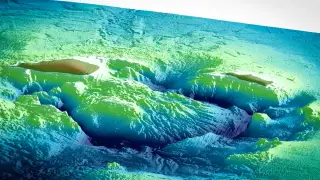
Researchers used seismic imaging beneath Japan’s Kikai caldera to find a large magma body that has been building up since a huge eruption about 7,300 years ago. The work offers insight into how supervolcanoes such as Yellowstone and Toba recharge after major blasts. It may help scientists identify signs of future activity.
Kikai caldera lies mostly beneath the sea off Japan. Its last giant outburst about 7,300 years ago is regarded as the biggest volcanic eruption of the Holocene, the current geological epoch. Researchers from Kobe University and JAMSTEC examined the crust below the caldera using airgun-generated seismic pulses and ocean-bottom seismometers.
Because seismic waves move differently through solid rock and molten material, the recordings revealed a substantial magma body that seems to have gathered since that ancient blast. The finding gives scientists a clearer view of how huge caldera systems such as Yellowstone and Toba may rebuild magma stores after major eruptions.
This research could improve how scientists interpret signs of unrest at large caldera volcanoes, potentially helping communities near such systems and disaster-response agencies prepare. It may also raise public awareness of long-term volcanic hazards and guide future monitoring and research priorities. Because the work concerns magma recharge rather than an imminent eruption, its practical value would likely emerge gradually through better hazard assessment.